My Background & Approach
My work as a psychologist is shaped by a simple conviction: lasting change comes from understanding yourself, not just learning to cope better.
Most people who come to see me have already tried managing their anxiety, pushing through their depression, or talking through their relationship problems without getting to the root of them. They're not looking for another set of strategies. They're looking for something that actually makes sense of their experience.
That's what I try to offer to my clients. We slow down, look carefully, and work together to understand the patterns shaping your inner life--how you relate to yourself and others, where you feel stuck, and what might be getting in the way of living more freely and authentically.
My background is in both clinical psychology and cognitive neuroscience. I completed my Ph.D. at Michigan State University, a clinical internship at The Ohio State University Wexner Medical Center, and a postdoctoral fellowship at Washington University in St. Louis. I currently serve as an Assistant Professor of Clinical Psychology at the University of Arkansas. That training informs how I think--but in the therapy room, what matters most is you.
To schedule a free 15-minute consultation, call me at (479) 388-1782 or click the Contact button at the top of the page.
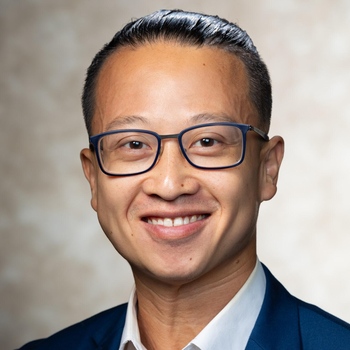
Jeff (Yanli) Lin, Ph.D.
Clinical Psychologist, License # 202346